Pea protein
Carried in 3.2% of Amazon's products. Most often listed in nutritionally complete food (100% of products in that category list it).
Pea protein · health claims, ranked by evidence
Pea protein is a concentrated protein ingredient usually made from yellow peas and used in powders, shakes, snack foods, and plant-based meat products. It can be a practical dairy-free or soy-free way to add protein, but the health meaning depends heavily on dose, formulation, allergy history, and what the final product is replacing in the overall diet.
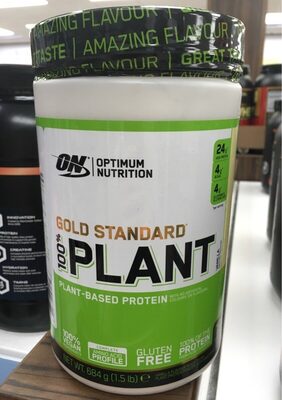
This is the strongest practical case for pea protein. Small randomized trials and acute muscle-protein-synthesis studies suggest pea protein can support anabolic responses and resistance-training progress when the dose is high enough and total daily protein is otherwise adequate. The literature is still much smaller than for whey, and many studies are short or manufacturer-linked, so this is better framed as 'useful protein' than as a uniquely proven performance ingredient.
Head-to-head human work usually shows that pea protein can be serviceable, but not that it reliably beats whey. Whey generally produces faster or larger rises in circulating essential amino acids and leucine, while longer-term training outcomes are often similar or too small to call confidently. The conservative reading is that pea protein can work, yet claims that it is identical or superior to whey for hypertrophy at matched doses are stronger than the current evidence base.
A few acute crossover trials report lower postprandial glucose responses or modest satiety-related effects when pea protein is added to breads or high-carbohydrate drinks. That is interesting, but it is formulation-specific and short-term evidence, not proof that pea-protein products cause meaningful long-term weight loss or diabetes prevention. The effect, if real, seems more like a meal-design nuance than a broad metabolic superpower.
Pea protein is often marketed as an allergy-friendly alternative to dairy or soy, but that should not be mistaken for universally safe. Pea allergy is less common than peanut, milk, or egg allergy, yet case series and reviews document genuine reactions, including cross-reactivity in some people with peanut or other legume allergies. For most people this will not be the main issue; for the allergic minority it matters more than almost any macro-level nutrition debate.
Pea protein contains all essential amino acids, but human amino-acid-availability studies and digestibility scoring literature generally place it below whey or milk proteins for leucine-rich post-meal aminoacidemia and often lower for sulfur amino acids such as methionine. That does not make it low-quality junk. It means dose, blending, and processing matter, especially for people trying to maximize muscle protein synthesis from a single serving.
This is where online ingredient panic outruns the direct evidence. Human PFAS exposure research focuses mainly on contaminated water, food packaging migration, and broader processed-food exposure patterns. There is little direct human literature isolating pea protein itself as a standout PFAS source. That does not mean the concern is fake; it means the most defensible framing is product-level and exposure-route level, not 'pea protein is inherently a PFAS ingredient.'
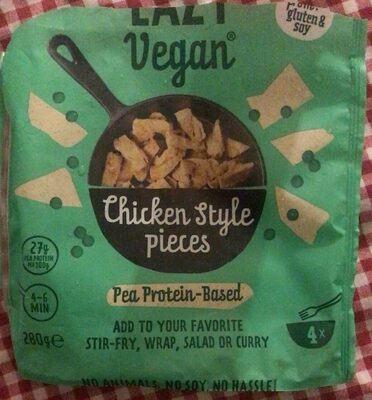
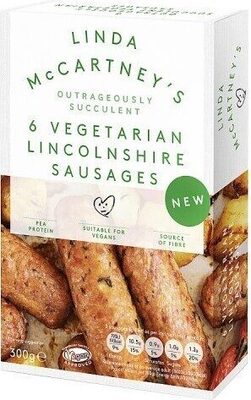
Pea protein is often a component of plant-based meat analogues and high-protein snack products, not the whole product. Reviews of these categories repeatedly note wide variation in sodium, refined starch, fats, additives, fortification, and overall processing. Some swaps can improve saturated-fat or fiber intake; others are mostly a branding change around an ultra-processed product. The ingredient name alone does not tell you whether the finished food is a clear upgrade.
This is the key context claim. A pea-protein shake helping someone reach an adequate protein target is a different exposure from a salty meat analogue displacing beans, fish, or minimally processed meals, and different again from adding extra protein on top of an already high-calorie diet. Across protein and cardiometabolic research, substitution and dietary pattern usually matter more than the ingredient label alone. In other words: pea protein can be useful, but the whole-diet context is what decides whether it is helping, neutral, or just marketing.
- Pea allergy is uncommon but real. If you have a known peanut or legume allergy, do not assume pea protein is automatically safe without individualized allergy advice.
- Pea protein isolate or concentrate is not nutritionally interchangeable with whole peas. Powders, bars, and meat analogues can come with sodium, gums, sweeteners, refined starches, or other additives that matter more than the protein source alone.
- Large servings can cause bloating or digestive discomfort for some people, especially in products that also contain added fibers or sugar alcohols.
- If you have chronic kidney disease or another medically prescribed protein restriction, concentrated protein supplements should be discussed with your clinician rather than treated as routine sports nutrition.
This is editorial summary, not medical advice. Pea protein sits at the intersection of sports nutrition, food allergy, and ultra-processed-food debates, so the claims here are deliberately conservative and keep product-level risks separate from the protein ingredient itself.Last hand-reviewed: 2026-05-01