High fructose corn syrup
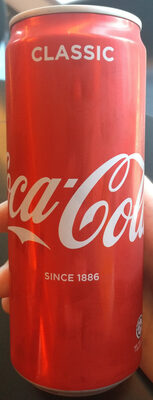
We tracked 40 UK products containing it.
High-fructose corn syrup · health claims, ranked by evidence
High-fructose corn syrup (HFCS) is a liquid sweetener used mostly in soft drinks and packaged foods. The main health issue is not that it is a mysterious substance totally unlike sugar; it is that high intakes of rapidly consumed added sugars, especially in drinks, can worsen calorie balance and metabolic risk. Human evidence since the early HFCS panic years is more nuanced: very high fructose exposure can have real downsides, but HFCS does not consistently look worse than sucrose when calories and dose are matched.
This is the biggest place where the internet often outruns the evidence. Controlled feeding studies and a 2022 systematic review and meta-analysis generally do not find HFCS produces meaningfully different body-weight or metabolic outcomes from sucrose when dose and calories are matched. That makes biochemical sense: common HFCS formulations and sucrose both deliver roughly similar fructose-plus-glucose loads. The more defensible concern is high added sugar intake overall, not a proven special toxicity unique to HFCS.
If HFCS-sweetened drinks or snacks add calories on top of what someone would otherwise eat, weight gain risk goes up. Randomized and quasi-randomized sugar-sweetened beverage trials plus broader reviews support that direction, especially for liquid calories that are easy to consume quickly. The important nuance is that this is not a magic HFCS-only effect: sucrose-sweetened drinks behave similarly when they raise calorie intake. The practical problem is frequent added-sugar exposure, not the corn origin story.
A popular theory is that HFCS bypasses normal fullness signals and therefore makes overeating almost inevitable. Human trial evidence is not that clean. Small randomized studies comparing HFCS with sucrose, fructose, or glucose often find no clear difference in satiety ratings or ad libitum energy intake, while mechanistic work still leaves room for context-dependent effects. That supports a middle view: sweet drinks can be easy to overconsume, but HFCS has not been shown to be a uniquely appetite-disrupting sugar in ordinary human trials.
This is one of the better-supported metabolic concerns. Dose-response beverage trials in adults show higher HFCS intake can increase triglycerides and related lipoprotein risk markers over short-to-medium time frames. The caution is about dose: these studies often use large amounts of sweetened beverages, not the trace amount from a condiment or occasional snack. So the signal is real, but it is mainly a warning about regular high intake of added sugars rather than proof that any HFCS exposure is harmful.
High-fructose feeding studies in humans show increased de novo lipogenesis and, in some trials, higher liver fat even under weight-maintaining conditions. Reviews on HFCS and liver outcomes reach a cautious but non-dismissive conclusion: high fructose exposure can plausibly worsen fatty-liver risk, but the evidence is stronger for high intakes of fructose-containing sugars overall than for HFCS being uniquely worse than sucrose. In plain English: the NAFLD concern is real enough to take seriously, but it is better framed as a high-free-sugar problem than as a corn-syrup-only toxin story.
Mechanistic arguments for inflammation get repeated a lot online, but controlled human data are less dramatic. At least some randomized trials report no differential effect of HFCS versus fructose or glucose on systemic or adipose-tissue inflammation markers over the study period. That does not prove high-sugar diets are inflammation-neutral in every real-world setting; it means the specific claim that HFCS has a uniquely inflammatory effect beyond comparable sugars is not firmly established in humans.
Fructose metabolism can increase uric acid production, and acute sugar-sweetened beverage trials support that mechanism. Longer sugary-drink interventions also suggest higher uric acid with regular intake. The direct evidence is stronger for fructose-containing sweetened beverages as a category than for HFCS alone causing clinical gout, so the confidence should stay moderate. Still, for people with gout, recurrent kidney stones, or hyperuricemia, large daily intakes of HFCS-sweetened drinks are a reasonable thing to limit.
This is the context claim most people need. Replacing HFCS with cane sugar in an otherwise identical soft drink does not suddenly make the diet healthy, while cutting several sugary beverages from a diet usually matters more than the exact sweetener chemistry. Trials and cohort data alike suggest total energy intake, beverage pattern, body weight, fiber intake, and overall diet quality dominate the long-term risk picture. HFCS can be part of the problem, but usually as one contributor to a high added-sugar dietary pattern rather than as the single main driver.
- HFCS is nutritionally similar to other added sugars; the main issue is frequent high intake, especially from drinks.
- People with diabetes, hypertriglyceridemia, fatty liver disease, or gout may have more reason than average to limit large intakes of sugary beverages and desserts.
- HFCS-42 and HFCS-55 are not the same thing as pure fructose used in some mechanistic studies; translating pure-fructose findings directly to all HFCS-containing foods can overstate certainty.
- If a product removes HFCS but still contains large amounts of added sugar or refined starch, the overall health picture may not improve much.
This is editorial summary, not medical advice. The aim here is to separate the real metabolic concerns around high added-sugar intake from the overstated claim that HFCS is uniquely poisonous compared with ordinary sugar.Last hand-reviewed: 2026-05-01