Caramelised sugar syrup
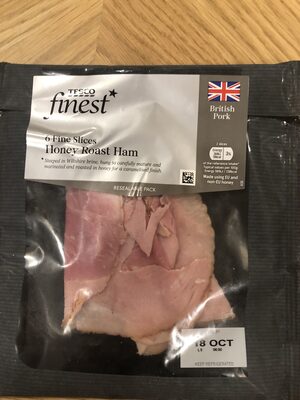
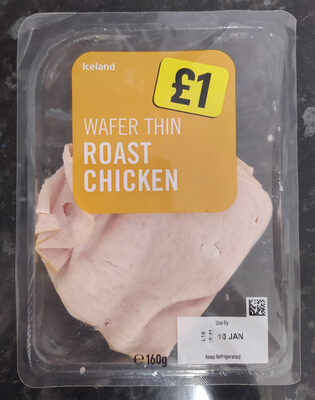
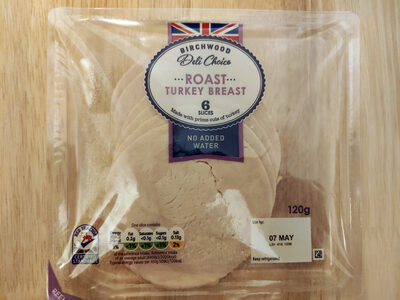
Carried in 1.6% of Iceland's products. Most often listed in cooked turkey breast slices (40% of products in that category list it).
Caramelised sugar syrup · health claims, ranked by evidence
Caramelised sugar syrup is a dark syrup made by heating sugar until it develops a brown colour and slightly bitter caramel flavour. It is often used in confectionery, sauces, cereals, and baked goods, sometimes as a "natural" alternative to standard caramel colour. The evidence does not support blanket panic here, but it also does not make the ingredient nutritionally irrelevant: the main questions are whether it meaningfully adds sugar, and how it differs from higher-4-MEI caramel colours.
This is the most important distinction. The stronger 4-methylimidazole concern in the food-safety literature is mainly about Class III and Class IV caramel colours made with ammonium compounds, not plain heated sugar syrup. That means caramelised sugar syrup is usually a narrower issue than generic "caramel colour" panic suggests. The caveat is that 4-MEI can also form during thermal treatment of foods more broadly, so this is not the same as saying exposure is always zero. It is a relative reassurance, not a free pass.
If caramelised sugar syrup is present as a real sweetening ingredient rather than just a trace colour, it still behaves broadly like an added sugar source. Human feeding studies on sucrose and sugar-sweetened foods show predictable post-meal glucose, insulin, and calorie effects when intake is meaningful. The practical nuance is dose: a tiny amount used for colour in a sauce is a different exposure from a syrup-heavy cereal, dessert, or confectionery product. The ingredient name alone does not tell you which situation you are in.
There is no special evidence that caramelised sugar syrup damages teeth in some unique way; the concern is the same one seen with other free sugars. Reviews on sugars and dental caries consistently support a relationship between frequent free-sugar exposure and higher caries risk, especially when sugary foods are sticky or used often between meals or near bedtime. So if this ingredient meaningfully increases the sugar load of a product, the dental concern is real. If it is present only in a very small colouring dose, that concern matters much less.
Strong claims that caramelised sugar syrup is inherently toxic or cancer-causing run ahead of the evidence. Direct human outcome data on this specific ingredient are sparse, and much of the alarm online blends together several different issues: caramel colours made with ammonium compounds, laboratory toxicology on isolated heat-formed chemicals, and the broader health effects of high-sugar diets. None of that proves zero long-term risk, but it does mean there is not a solid human evidence base for saying ordinary dietary exposure to caramelised sugar syrup itself has been shown to cause cancer or a distinct disease pattern.
Heating sugars creates a range of Maillard and caramelisation products, including dietary glycation compounds that researchers continue to study. Recent reviews do not support a simple answer here. Some short-term human interventions and mechanistic studies suggest high-AGE diets may worsen glucose handling, oxidative stress, or inflammation markers; other human studies are null or hard to interpret because whole cooking patterns differ at the same time. The cautious read is that these compounds are a legitimate research topic, but the evidence is still too mixed to treat caramelised sugar syrup as a clearly established hazard on this basis alone.
This is mainly a labeling and positioning issue, not a proven health outcome. Calling caramelised sugar syrup a "natural alternative" to caramel colour may signal a simpler manufacturing story and, in some products, less relevance to the ammonium-process 4-MEI question. But there are no robust human trials showing that choosing caramelised sugar syrup over other browning agents automatically improves long-term health. In practice, the rest of the formulation still matters more: how much sugar the product contains, how often it is eaten, and what the ingredient is replacing.
This is the context claim worth keeping front and center. Caramelised sugar syrup usually shows up in products that already vary widely in health impact: confectionery, sweet cereals, sauces, desserts, and baked goods. For someone eating a lot of these foods, the clearest established issue is usually the bigger pattern of free sugars, calorie density, and ultra-processed-food exposure, not this one ingredient in isolation. It is reasonable to prefer simpler formulations, but swapping one browning ingredient while leaving the overall product equally sugary rarely changes the main nutrition story very much.
- Caramelised sugar syrup is not automatically the same thing as Class III or Class IV caramel colour; that distinction matters for the 4-MEI question.
- In many products it may be used mainly for colour or flavour, so dose can be small; in others it can contribute meaningful added sugar.
- If you are managing diabetes, prediabetes, or dental caries risk, the total free-sugar load of the finished product matters more than the ingredient's natural-sounding name.
- If you are trying to reduce exposure, the highest-yield move is usually cutting back on frequently eaten sugary processed foods rather than fixating on this single browning ingredient.
This is editorial summary, not medical advice. The fairest read on caramelised sugar syrup is that it is usually a narrower concern than the online panic around caramel colour, but it is still worth judging in context of dose, added sugar exposure, and the overall product it appears in.Last hand-reviewed: 2026-05-01