Peanut
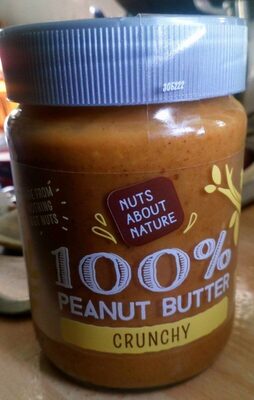
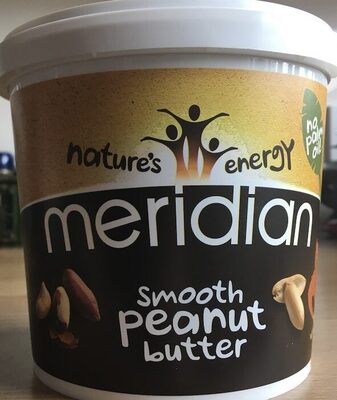
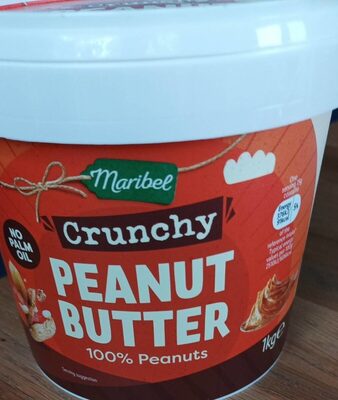
Carried in 8.6% of Holland Barrett's products. Most often listed in peanut bars (92% of products in that category list it).
Peanut · health claims, ranked by evidence
Peanuts are a nutrient-dense legume (technically not a tree nut). The evidence here is mostly nutritional rather than medicinal — what they contribute to a varied diet, plus two safety considerations (allergy and aflatoxin) that matter more than most internet 'superfood' framing acknowledges.
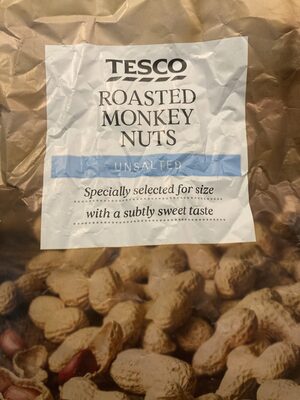
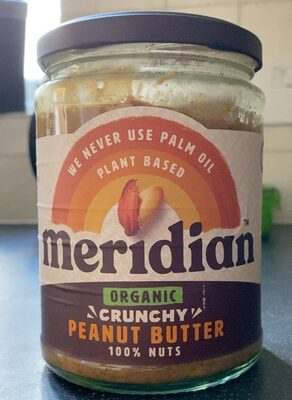
Peanuts deliver around 25g protein per 100g plus fibre, magnesium, and unsaturated fats. Nutritional consensus across decades; not in dispute. Whole peanuts > peanut butters with added sugar/oil > processed peanut snacks.
Large prospective cohort studies (e.g. Nurses' Health Study, NIH-AARP) report regular nut consumption associates with lower cardiovascular mortality. Observational, so causation isn't proven, but the relationship is consistent across populations and survives most confounder adjustments. Plausible mechanisms (unsaturated-fat profile, magnesium, fibre) support the link.
Trials substituting peanuts for other snacks generally don't cause weight gain despite high calorie density — partly because peanuts are satiating and partly because not all calories are absorbed. But 'eat peanuts to lose weight' is overselling it; portion control still matters.
The LEAP trial (NEJM 2015) and follow-ups show that introducing peanut products to high-risk infants from around 4–6 months substantially reduces peanut-allergy rates compared to delayed introduction. UK + US guidelines updated accordingly. Speak to your GP or paediatrician; never give whole peanuts to under-5s (choking risk).
- Peanut allergy is one of the most serious food allergies — anaphylaxis-capable. If you or someone you cook for has a known allergy, all bets are off; this page is general guidance, not your situation.
- Aflatoxin: peanuts grown/stored in damp conditions can carry mycotoxins. Major suppliers in the UK/EU/US test routinely; risk is real but well-managed in regulated supply chains. Discount-bin / poor-storage peanuts deserve more caution.
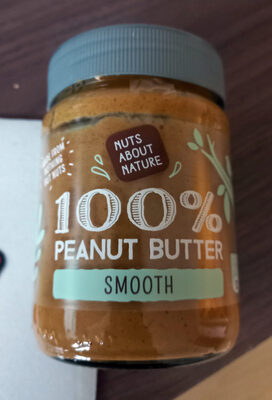
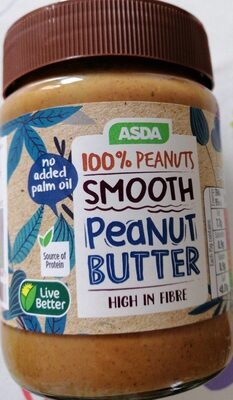
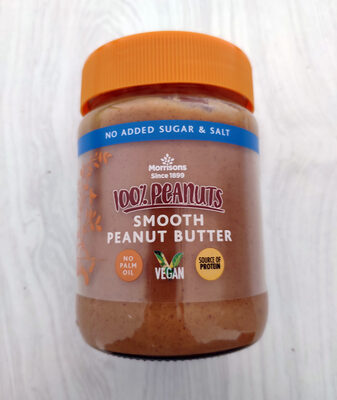
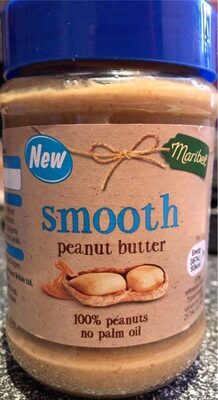
- Choking hazard: never give whole peanuts to children under 5. Smooth peanut butter (unsalted, no added sugar) is the safer introduction format per LEAP guidance.
- Salted/sugar-coated peanut snacks are different from raw peanuts — the score reflects that. Roasted-and-salted at low/no-additive specs is the cleanest mainstream product.
This is editorial summary, not medical advice. Allergy guidance especially: ALWAYS work with your GP or paediatrician for individual cases. Never introduce peanut to a child you suspect of being at high allergy risk without clinical guidance.Last hand-reviewed: 2026-04-30