Casein
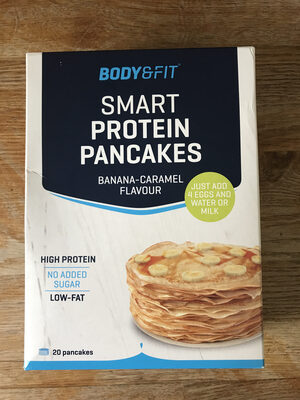
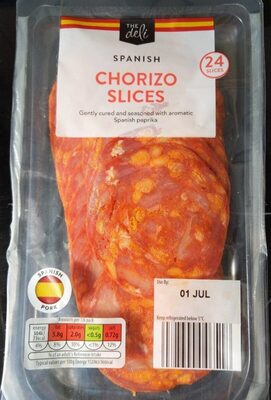
Carried in 0.2% of Morrisons's products. Most often listed in pancake mixes (14% of products in that category list it).
Casein · health claims, ranked by evidence
Casein is the main protein family in milk and a common ingredient in cheese, dairy powders, and slow-digesting protein supplements. The strongest health story is not that casein is universally good or bad, but that it sits at the intersection of milk allergy, dairy tolerance, and protein nutrition. Human evidence supports a few narrow claims and leaves many bigger internet narratives less certain than they sound.
This is the clearest casein-specific downside. Casein is one of the major allergenic proteins in cow's milk, and challenge-based allergy literature shows that genuinely milk-allergic people can react to very small amounts. That is an allergy story, not a general-population toxicity story. For someone with confirmed cow's milk protein allergy, casein and caseinates are practical avoid-list ingredients rather than harmless dairy semantics.
Casein is a milk protein; lactose is a milk sugar. That distinction matters because bloating and diarrhea after dairy are often blamed vaguely on 'dairy intolerance' when the mechanism may be lactose maldigestion, milk-protein allergy, IBS overlap, or something else entirely. In practical terms, some people tolerate low-lactose dairy foods that still contain casein, while others need to think about milk proteins rather than lactose. If lactose-free dairy still causes symptoms, that is a clue to investigate further, not proof that casein is automatically the culprit.
This is the main casein controversy in ordinary dairy. Some randomized crossover trials report fewer GI symptoms with milk containing only A2 beta-casein than with conventional milk containing both A1 and A2 beta-casein, especially in people who say regular milk bothers them. But the evidence base is still small, often industry-linked, and not cleanly separated from lactose and expectancy effects. The conservative read is that A2 milk may help some people, but the data are not strong enough to turn the A1/A2 debate into settled science.
Casein is a complete, high-quality milk protein and can contribute meaningfully to daily protein intake, lean-mass support, and recovery when total diet and training are in place. Human trials and reviews support milk-protein supplementation as a useful tool, especially in older adults or resistance-training contexts. What the evidence does not support is treating casein as categorically superior to any other good protein source. For most people, getting enough total protein matters more than choosing the casein label specifically.
This is one of the more plausible niche uses of casein because its slower digestion profile fits the overnight-feeding idea. Randomized trials, especially in older men and sports-nutrition settings, suggest pre-sleep casein can increase overnight muscle protein synthesis and may help support adaptation when overall training and diet are already appropriate. The limit is scale: this is a marginal optimization claim, not proof that everyone needs a bedtime shake. If your total daily protein is already adequate, the extra benefit may be modest.
There is a respectable literature on casein hydrolysates and milk-derived tripeptides modestly lowering blood pressure in some trial settings. But that does not mean ordinary casein in cheese, yogurt, or a protein powder acts like an antihypertensive treatment. The active compounds in these studies are usually processed peptide fractions used in fortified foods or supplements. Best reading: interesting targeted evidence exists, but it should not be inflated into a broad 'casein is heart-protective' claim.
This is where casein discourse often outruns the evidence. Claims that casein is inherently inflammatory, mucus-forming, or harmful for almost everyone are much broader than the human literature supports. Some mechanistic hypotheses and subgroup complaints exist, but controlled human evidence for a general-population harm signal is weak and inconsistent. That does not mean no individual ever reacts poorly to a casein-containing food; it means the universal anti-casein narrative is more confident than the data.
This is the most useful context claim. Casein inside plain yogurt, cheese, cottage cheese, infant formula, and ultra-processed dessert products does not land in the same nutritional context, even though the protein name overlaps. Health effects also depend on what the casein-containing food replaces: a casein-rich yogurt replacing a sugary snack is different from adding extra protein calories on top of an already excessive diet. For most people outside true milk allergy, the bigger picture is the total dietary pattern, symptom response, and food matrix, not fear of the word 'casein' by itself.
- Casein allergy is not the same thing as lactose intolerance. Allergy can involve hives, wheeze, vomiting, or anaphylaxis and needs different management.
- If you have a confirmed cow's milk protein allergy, casein and caseinates are avoid-list ingredients even in products marketed as high-protein or low-lactose.
- A2 milk is not a safe workaround for people with true milk allergy; it still contains milk proteins, including casein.
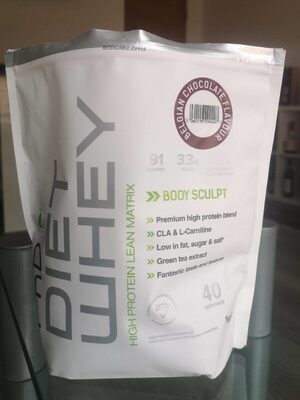
- Casein-containing protein powders and bars can be low in lactose, but that does not make them appropriate if your issue is milk-protein allergy rather than lactose digestion.
This is editorial summary, not medical advice. Casein debates often mix up allergy, lactose intolerance, A1/A2 marketing, and sports-nutrition claims; the tiers here are deliberately conservative and keep those questions separate.Last hand-reviewed: 2026-05-01