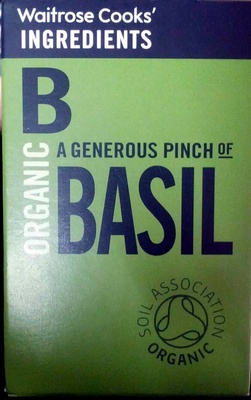
Basil
Carried in 5.3% of Londis's products. Most often listed in instant pasta with beef (57% of products in that category list it).
Basil · health claims, ranked by evidence
Sweet basil (Ocimum basilicum — the kind in pesto and on margherita pizza) is great in cooking and contributes small amounts of vitamin K and manganese. Most 'health benefits' claims float on cellular or rodent studies; the clinical-trial base in humans is thin. Don't confuse it with holy basil (tulsi, Ocimum tenuiflorum), which has a separate and slightly larger evidence base for adaptogenic claims.
Fresh basil is dense in vitamin K (relevant for bone health and blood clotting) and supplies meaningful manganese, plus small amounts of magnesium and folate. Standard nutrition science; not in dispute.
Cell-culture and animal studies show basil extracts modulate inflammatory pathways. Human clinical trials of culinary basil are scarce and small; effect-size estimates are unreliable. Tulsi (holy basil) has slightly more human data, but that's a different plant.
Basil contains antioxidant compounds in vitro, but 'antioxidant capacity' measured in test tubes does not translate reliably to clinical outcomes. As of 2026 there is no compelling RCT showing meaningful health benefits from culinary basil consumption beyond its standard nutritional contributions.
If a product specifies HOLY BASIL or TULSI (Ocimum tenuiflorum/sanctum), there's a small but reasonable body of human trials showing mild reductions in self-reported stress and modest improvements in blood-sugar markers. Tulsi is sold as a supplement separately from culinary basil; don't expect the effect from cooking with sweet basil leaves.
- Vitamin K content matters for warfarin patients — sudden large basil-pesto changes can affect INR. Talk to your pharmacist if you're on anticoagulants.
- Pregnancy: culinary use is widely considered safe; concentrated basil-essential-oil supplementation lacks adequate safety data.
- Allergic reactions are rare but documented. Discontinue if you experience irritation or breathing changes after consumption.
This is editorial summary, not medical advice. Most online claims about basil's health benefits float on cell/animal studies that don't translate; we've kept the tier ratings conservative deliberately.Last hand-reviewed: 2026-04-30