Zinc oxide
Carried in 0.2% of Coop's products. Most often listed in nutritionally complete food (42% of products in that category list it).
Zinc oxide · health claims, ranked by evidence
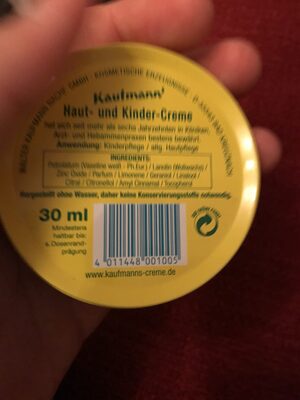
Zinc oxide is a mineral UV filter used in sunscreens, diaper creams, and some cosmetics because it helps block a broad range of ultraviolet light and tends to stay near the skin surface. Concern usually centers on nanoparticles, inhalation, and "reef-safe" marketing. The evidence is fairly reassuring for normal cream use on intact skin, less reassuring for inhaled particles, and still incomplete for some long-term nano questions.
This is one of the main reasons zinc oxide is generally viewed more reassuringly than several organic sunscreen filters. Human skin-imaging studies and review papers usually find zinc oxide particles remain on the surface, in the stratum corneum, or within follicles rather than penetrating deeply into viable skin in large amounts. That does not mean zero absorption under every condition: formulation, particle coating, rubbing, damaged skin, and sunburn can affect what is measured. But the overall evidence still points toward low meaningful penetration through intact skin during ordinary cream or lotion use.
A zinc-oxide sunscreen is still a sunscreen first: its job is to reduce UV exposure, sunburn, and downstream skin damage. FDA's current sunscreen review remains more favorable to zinc oxide and titanium dioxide than to most other active ingredients, and broad-spectrum sunscreen use has a much stronger health rationale than the internet fear around mineral filters suggests. The nuance is that no sunscreen is perfect and ingredient-level safety data are not infinite. Still, for most people using a lotion or cream as directed, the better-supported risk-benefit framing is protection from UV harm, not zinc oxide being the bigger danger.
Nano zinc oxide gets extra scrutiny because smaller particles behave differently from larger ones and are used partly to make mineral sunscreens less chalky. Reviews generally do not show major penetration beyond the outer skin barrier from topical use, which weakens the simplest "nano equals unsafe" narrative. But the issue is not fully closed either. Particle size, coating, aggregation, and the full formulation all matter, and long-term real-world exposure data remain thinner than many consumers would like. The honest read is that nano status deserves attention, but it does not by itself prove a sunscreen is unsafe for the average user.
This is the core mechanistic worry behind zinc oxide nanoparticle debates. Under laboratory conditions, zinc oxide can generate reactive oxygen species, especially under UV exposure, and those signals are relevant because oxidative stress can damage cells. But lab setups often use isolated particles or conditions that do not map neatly onto a finished sunscreen spread on intact human skin. Commercial formulas commonly use coatings and formulation strategies intended to reduce photoreactivity. So the mechanism is real and worth respecting, but the stronger claim that routine topical zinc oxide sunscreen clearly causes clinically meaningful oxidative damage in users is not established.
For everyday users, the most realistic downside is usually local irritation rather than hidden systemic toxicity. Zinc oxide products can sting if they get into the eyes and can feel uncomfortable on abraded, inflamed, or heavily over-treated skin. True allergic reactions to zinc oxide itself appear uncommon compared with the broader sunscreen-allergy story, which more often involves organic filters, fragrances, preservatives, or the vehicle around the active ingredient. That means a rash after a "mineral" sunscreen is possible, but zinc oxide is not usually the first suspect. Patch testing and looking at the full ingredient list are more useful than blaming the mineral by default.
Exposure route matters a lot here. Controlled human inhalation studies and occupational medicine literature support that inhaling zinc oxide fumes or high concentrations of fine particles can trigger metal fume fever, with flu-like symptoms and inflammatory changes. That is a very different exposure scenario from applying a lotion to intact skin. It does, however, make loose powders, aerosols, and spray products a less comfortable category than creams or sticks if you are likely to breathe the product in. So the sharper caution around zinc oxide belongs mainly to inhalation risk, not ordinary topical use.
Oral toxicity concerns around zinc oxide mostly come from nanoparticle research, food-additive discussions, and animal dosing studies, not from good human evidence on routine accidental exposure from sunscreen around the lips or incidental hand-to-mouth transfer. That does not make swallowing zinc oxide products a good idea, and large exposures or repeated industrial uses deserve proper toxicology review. But the internet often jumps from high-dose oral nanoparticle experiments to everyday consumer scenarios without enough bridge evidence. For ordinary users, the oral-harm story is still much less developed than the topical and inhalation story.
"Reef-safe" is mostly an environmental marketing frame, not a human-health conclusion. Zinc oxide is often positioned as the friendlier mineral alternative to some organic UV filters, but that does not automatically mean zero ecological concern and it certainly does not prove superior personal safety in every formulation. Environmental reviews still discuss possible aquatic effects, particle release, and formulation differences. For the consumer asking "is zinc oxide bad for me?", the reef-safe label is not the key evidence to look at. Skin penetration, irritation, inhalation risk, and actual UV protection are more relevant than the badge on the front of the tube.
This is the LP context claim. Under-applying sunscreen, forgetting to reapply, chasing very long sun exposure because a product feels "clean," and skipping shade or protective clothing usually matter more than the zinc oxide ingredient debate by itself. A well-formulated mineral sunscreen can still fail if you use too little or treat it as permission to stay in intense sun for hours. In other words, the larger risk is often ultraviolet exposure and behavior, not the presence of zinc oxide in a cream. Ingredient quality matters, but whole-exposure pattern matters more.
- For ordinary lotion or cream use on intact skin, zinc oxide is among the better-supported sunscreen actives in current FDA review.
- Route matters: inhaling zinc oxide fumes, loose powders, or spray mist is a different risk profile from rubbing a cream or stick on the skin.
- "Non-nano" and "reef-safe" are not reliable shorthand for "safer for you"; formulation and use pattern matter more.
- Sunscreen works best alongside shade, clothing, hats, and reapplication. Under-application is a bigger real-world problem than most zinc oxide toxicity fears.
This is editorial summary, not medical advice. For zinc oxide, the key distinctions are exposure route and formulation: cream on intact skin looks fairly reassuring, while inhaled particles and unresolved long-term nano questions deserve more caution.Last hand-reviewed: 2026-05-01